

Add-A-Level Design & Planning Guide
A step-by-step planning roadmap for Bergen County homeowners considering a second-floor addition — layout strategy, structural planning, permits, finish selections, and build preparation.
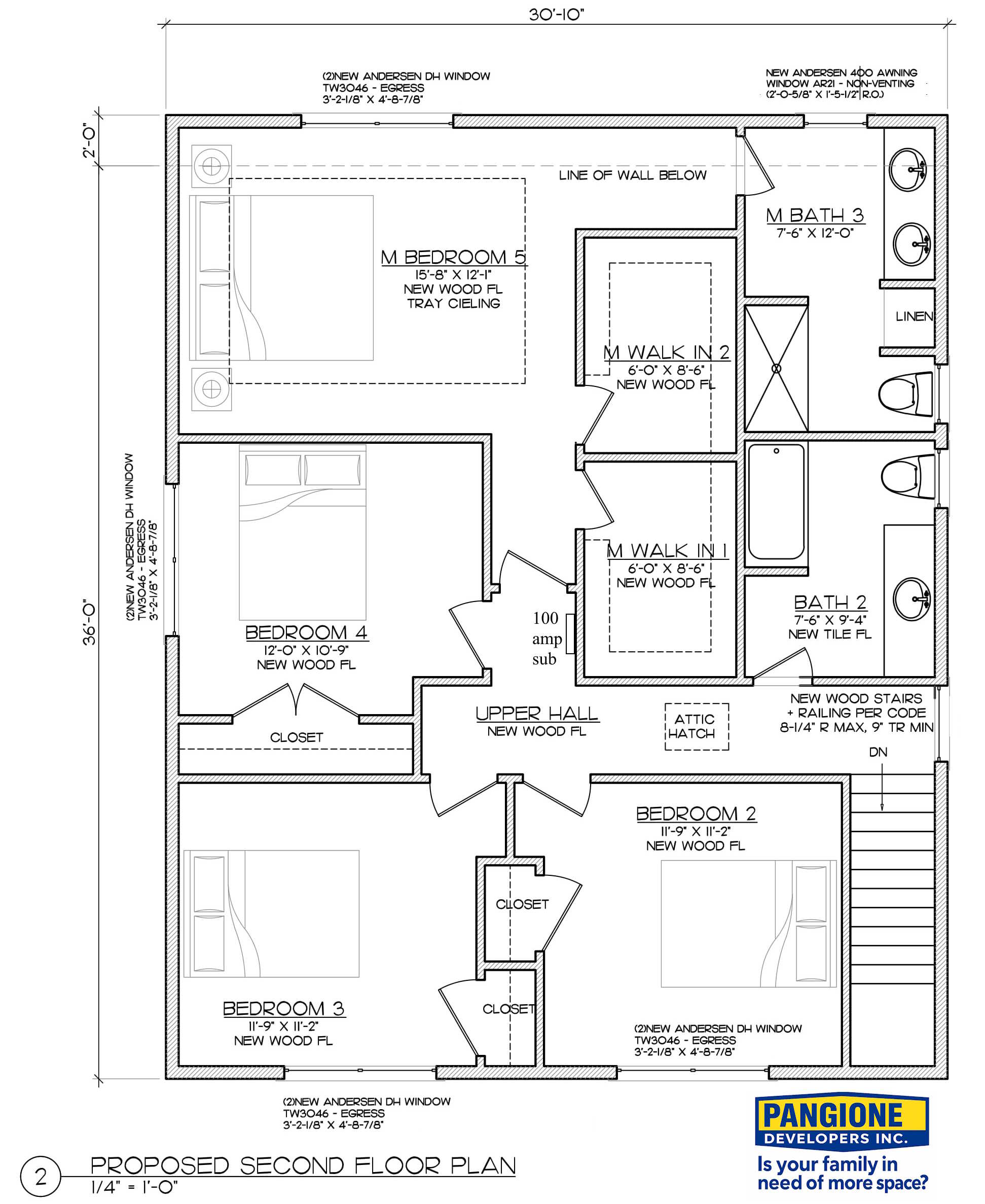
Plan Your Add-A-Level the Right Way
The best Add-A-Level projects begin with clear goals, a smart layout, and a realistic build plan. This guide explains how Bergen County homeowners can prepare for design, engineering, permits, and construction — while avoiding common delays.
1) Define Your Space Goals
- How many bedrooms and bathrooms are you adding?
- Do you want a primary suite, office, or playroom?
- How should the second floor connect to the existing layout?
2) Layout & Stair Planning
Stair placement can make or break the layout. We plan stairs to preserve traffic flow, maximize usable space, and keep the design code-compliant for headroom and landing requirements.
3) Structural & Roof Strategy
Add-A-Level projects may involve roof lift, dormers, new trusses/rafters, and load path upgrades. Engineering plans ensure the new structure integrates safely with your existing foundation and framing.
4) Permits & Zoning Prep
Bergen County towns can vary by zoning limits, setbacks, height requirements, and inspection schedules. Your plan set must align with local building department expectations to prevent approval delays. (See the full Hub for borough-level guidance.)
5) Materials & Finish Selections
Siding, roof shingles, windows, trim and gutters to blend the addition seamlessly.
Flooring, tile, fixtures, lighting, doors, and paint schedule — selected before build.
6) Pre-Construction Checklist
- Confirm scope: rooms, square footage, and key features
- Finalize plan set: architectural + engineering
- Permit submission and review timeline
- Build schedule + inspection milestones
- Budget alignment (use the Cost Guide page)
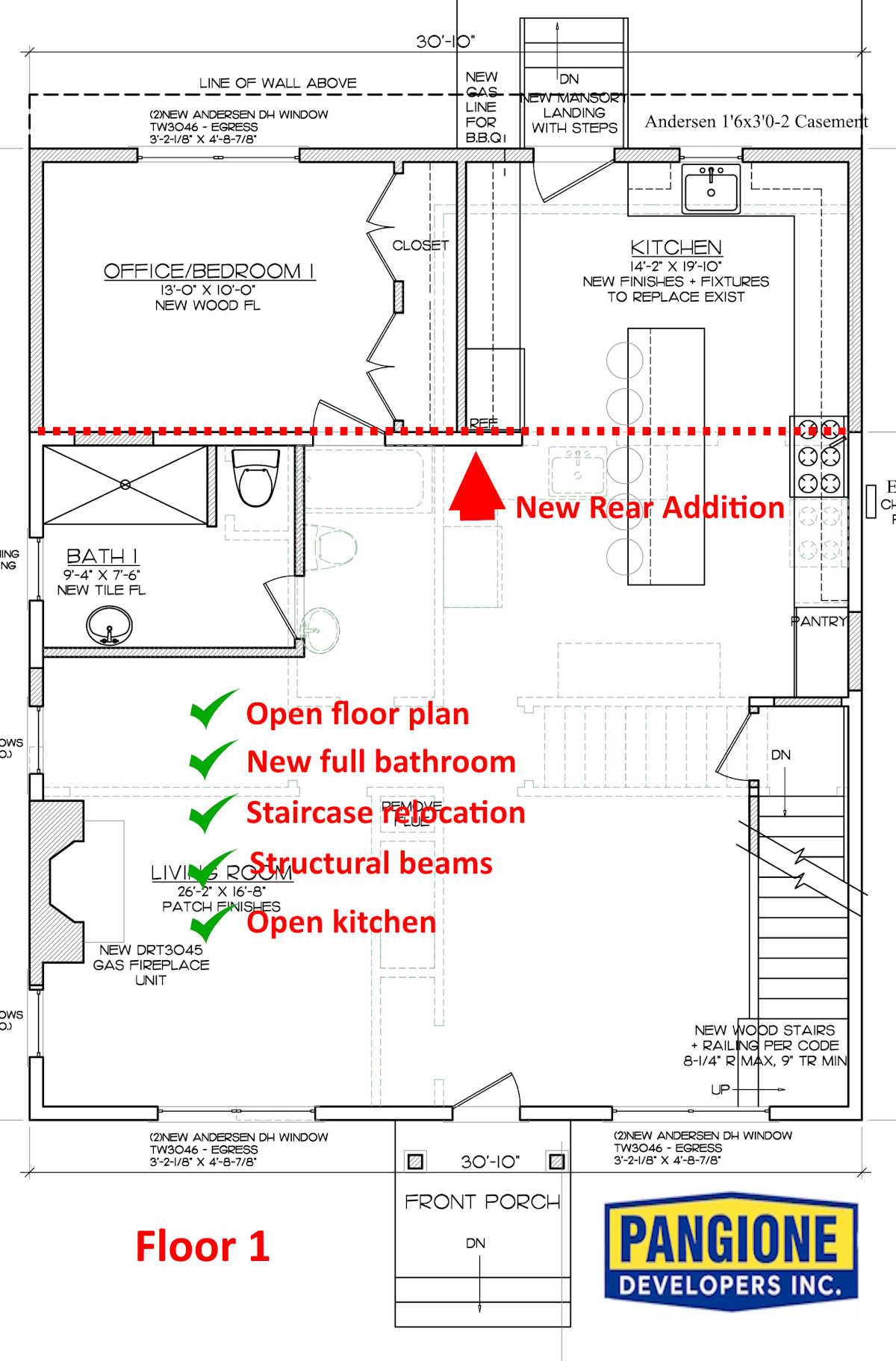
Want a Custom Add-A-Level Plan for Your Home?
We’ll review your goals, evaluate structure, and guide you through design, permits, and budgeting.